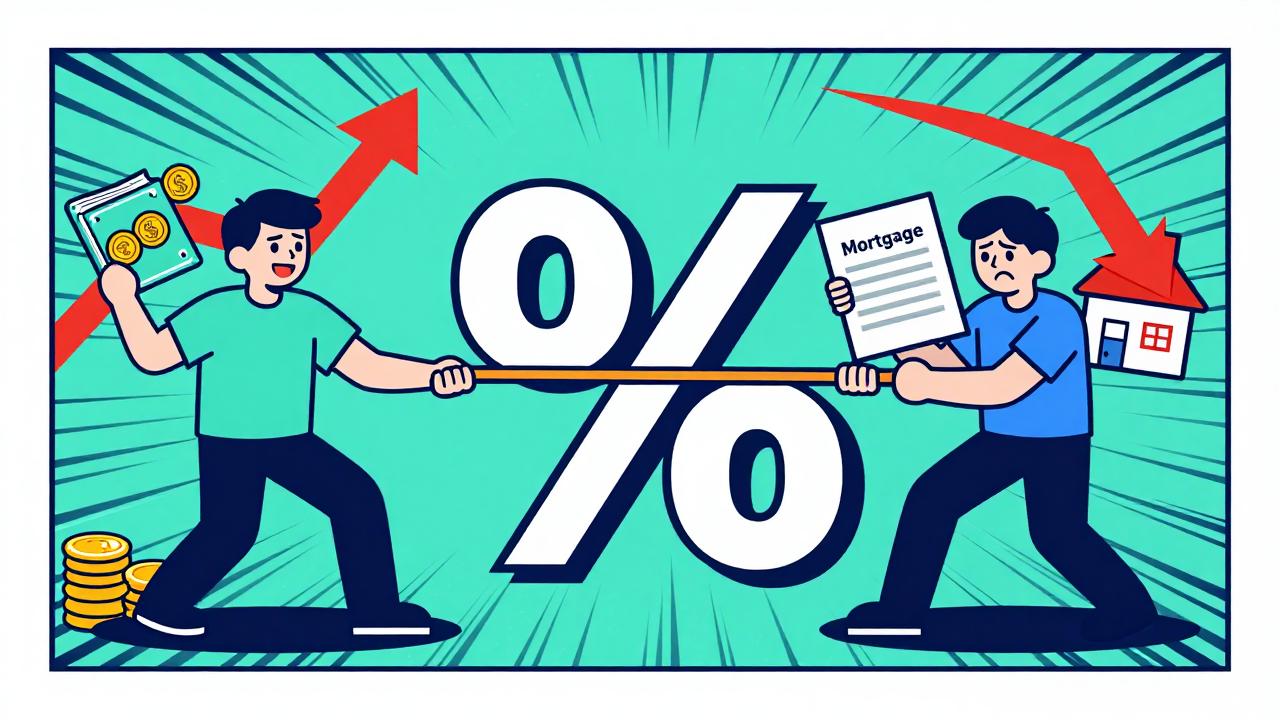
In the last entry, we mentioned that interest rates rise and fall as a matter of course, and that the recent extended period of very low interest rates was a historical anomaly.
We also mentioned that higher interest rates are neither good, not bad, but that different parties benefit from each – so who are the winners and losers from the recent rate hikes?
Winners:
- Banks and other financial institutions. Banks make money on interest. Even to the extent that they need to pay interest, higher interest usually means a wider spread.
- Insurance Companies. Insurance companies invest the money they receive as premiums, so a higher interest rate means they earn more on the money they have invested.
- Cash Rich Companies. Any company in any industry that has a large amount of cash will do better when interest rates rise. Not only can they make more money by investing their money in things like government bonds, but they can take advantage of opportunities that companies with debt cannot.
Losers:
- Heavy Industry. Industry that requires a large investment in equipment typically requires than companies take on significant debt to fund that equipment. When debt gets more expensive, the cost of servicing that debt increases, and their profits naturally decrease.
- Research & Development Heavy Industries. Like heavy industry, companies that depend heavily on research & development typically rely on debt as part of the funding mix that supports that research.
- Real Estate. Financing becomes more expensive for both builders and purchasers. This bleeds over into construction and other areas related to real estate.
- Utilities. Utility companies like TEPCO and Tokyo Gas typically have huge amounts of debt from financing massive distribution networks.
- Highly Leveraged Companies. While money was free, many companies have taken on debt to fund expansion, new product development, etc. Now with interest rates rising, debt payments will rise, and free cash flow will suffer.
- Discretionary Consumer Products & Services. As consumers suddenly find themselves needing to spend more money on mortgage and other debt, they may decide to eat out less, and buy fewer optional items. This includes everything from upgrading consumer appliances and buying new clothes, to going on vacation. When your monthly bills increase, you may find yourself reconsidering whether you really need the latest smart phone or decide that you can put your family vaction on hold for a year.
Leave a Reply